
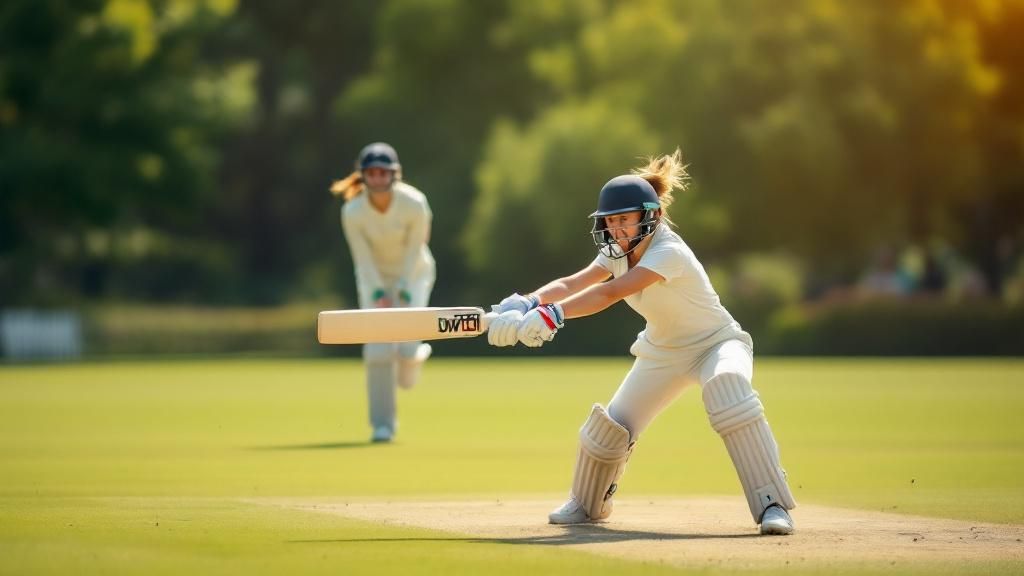
England lead coach Charlotte Edwards has stated that the fitness problems plaguing the women’s cricket team has been conclusively addressed, as the side gets ready to stage the T20 World Cup this summer. The fitness levels of England’s players had turned into a disputed matter following their premature elimination from the tournament 18 months ago, with concerns resurfacing during the Ashes in January 2025. Since assuming the role last year, Edwards introduced minimum fitness standards and defined targets for her squad, measures she believes have yielded concrete improvements. Speaking on BBC Test Match Special, the 46-year-old insisted the fitness issue had been tackled “100%”, emphasising the marked improvements in athleticism and fielding standards across the team.
From Critical Feedback to Self-Assurance
The transformation marks a striking transformation for England’s women’s cricket programme, which experienced substantial scrutiny over player fitness levels. Former spinner Alex Hartley had been particularly vocal after the team’s disappointing T20 World Cup exit, suggesting some players were “letting the team down” through poor physical preparation. The issue drew greater attention during the Ashes series in January, when ex-coach Jon Lewis attributed the athleticism concerns to cultural differences between British and Australian cricket systems. Edwards’ appointment indicated a decisive shift in approach, with the new regime making fitness as a fundamental priority of team operations.
The adoption of measurable standards has proven instrumental in catalysing the change in approach Edwards championed. Rather than leaning primarily on standard fitness assessments, the coach has established a comprehensive system incorporating multiple elements of physical preparation and athletic development. The squad’s enthusiastic adoption of these standards illustrates the engagement Edwards aimed to create from day one. Recent intra-squad matches have highlighted the clear advantages of this demanding system, with defensive standards achieving standards the coach describes as amongst the finest she has witnessed from any England group during her period in charge.
- Edwards implemented minimum fitness standards following the departure of Jon Lewis
- Clear performance metrics established throughout the winter training schedule for all players
- Latest internal matches displayed marked progress in defensive standards
- Squad has completely adopted the raised expectations and fitness requirements
Establishing Standards and Measuring Success
Metrics That Improve Performance
Edwards’ strategic implementation of measurable fitness benchmarks has substantially reshaped how England’s women’s cricket programme approaches player development. By establishing clear, quantifiable targets during the off-season training phase, the coach has established clarity and answerability across the whole team. These standards go well past simple cardiovascular assessments, encompassing a broad spectrum of physical capabilities created to boost overall performance on the field. The exactness of these targets ensures that every player understands precisely what is required of them, removing uncertainty and allowing targeted improvement in less developed aspects.
The success of this systematic approach lies in its clear and consistent nature. Rather than using subjective assessments or imprecise goals, Edwards has provided her players with concrete objectives to achieve. This framework has resonated deeply within the squad, with players showing genuine enthusiasm for going beyond the established targets. The measurement system serves as both an incentive and an analytical device, enabling the coaching staff to identify key zones needing extra concentration. By upholding these elevated standards throughout the season, Edwards guarantees sustained development rather than stagnation.
The observable improvements in fielding quality observed throughout recent internal squad matches constitute the most persuasive evidence of the benchmarking strategy’s success. Edwards’ observation that the fielding performances stand among the finest she has seen from any England group highlights the tangible impact of these strict benchmarks. The squad’s commitment to adopting raised expectations reflects a cultural shift towards accountability and excellence. As England gets ready to host the T20 World Cup this summer, these solidly grounded fitness foundations offer a solid platform upon which the team can establish its World Cup ambitions.
The Edwards Effect in Her Initial Year
Charlotte Edwards’ appointment as England head coach marked a decisive turning point for the women’s cricket programme. Taking over following growing concerns about player fitness levels, Edwards inherited a squad facing serious questions about their fitness standards and professionalism. The 46-year-old’s first year in charge has been defined by swift implementation and explicit articulation of expectations. By introducing minimum fitness standards right from the start of the role, Edwards demonstrated that fundamental reform was non-negotiable. Her approach has delivered significant change, with players responding positively to the structure and clarity she has provided. The coach’s milestone anniversary, arriving on Wednesday, represents an fitting occasion to reflect on the substantial improvements achieved during her first season.
Edwards’ approach to leadership extends beyond simply requiring elevated expectations; she has created a comprehensive framework that encompasses multiple dimensions of athletic performance. Rather than dwelling exclusively on running ability, the coach has expanded the scope of fitness to include various elements critical to modern cricket. This comprehensive strategy has resonated with players, who have accepted the higher expectations with genuine enthusiasm. The visible improvements in fielding quality during recent intra-squad matches demonstrate the measurable gains of Edwards’ systematic approach. Her assertion that the team’s fielding now ranks amongst the finest she has witnessed tells a compelling story about the cultural transformation occurring within the squad. As England prepares to host the T20 World Cup this summer, the foundations laid during Edwards’ first year promise to generate ongoing achievement.
| Challenge | Response |
|---|---|
| Fitness concerns following T20 World Cup exit | Introduction of minimum fitness standards and clear benchmarks |
| Criticism of player athleticism during Ashes series | Implementation of comprehensive fitness framework addressing multiple athletic disciplines |
| Lack of clarity regarding player expectations | Establishment of specific, quantifiable targets communicated transparently to squad |
| Cultural complacency within the programme | Creation of accountability system with continuous progression and raised standards |
The Edwards effect has manifested most visibly in the squad’s shared commitment to the revised conditioning schedule. Players have engaged with the well-defined expectations by applying themselves completely to going beyond the defined targets. This positive engagement demonstrates a core transformation in the team’s culture, departing from complacency towards a genuine commitment to excellence. As Edwards reflects on her one-year milestone in charge, the signs of change is undeniable. With the T20 World Cup tournament responsibilities approaching, England now has a squad athletically ready and psychologically equipped to perform at the elite standard.
Beyond the Track: Comprehensive Athletic Progression
Edwards has been deliberate to emphasise that her fitness revolution extends well past traditional conventional conditioning methods. The revised approach encompasses a multifaceted approach to athleticism, recognising that modern international cricket demands high performance across multiple athletic domains. By broadening the definition of fitness to include strength, agility, endurance, and cricket-specific skills, Edwards has developed a extensive training programme that addresses the genuine demands of elite women’s cricket. This sophisticated approach has been crucial in gaining player buy-in, as the squad recognises the direct relevance of each component to their match performance.
The measurable results of this comprehensive approach have already become apparent through observable gains in fielding quality. Latest internal matches have demonstrated some of the finest fielding displays Edwards has witnessed from the England squad, a direct consequence of improved athleticism and conditioning. This visible progress serves as strong endorsement of the conditioning programme, demonstrating to players that their dedication to the new standards generates genuine competitive advantages. As the team proceeds with preparations for hosting the T20 World Cup, this basis of thorough athletic development positions England to perform with real assurance against the world’s top teams.
- Power and strength training customised for cricket-related movements and demands
- Agility and speed training intended to improve fielding positioning and chase capabilities
- Sport science application monitoring individual player performance metrics regularly
- Recovery programmes ensuring players maintain peak physical condition across seasons
- Mental training initiatives complementing physical training for complete athlete development
